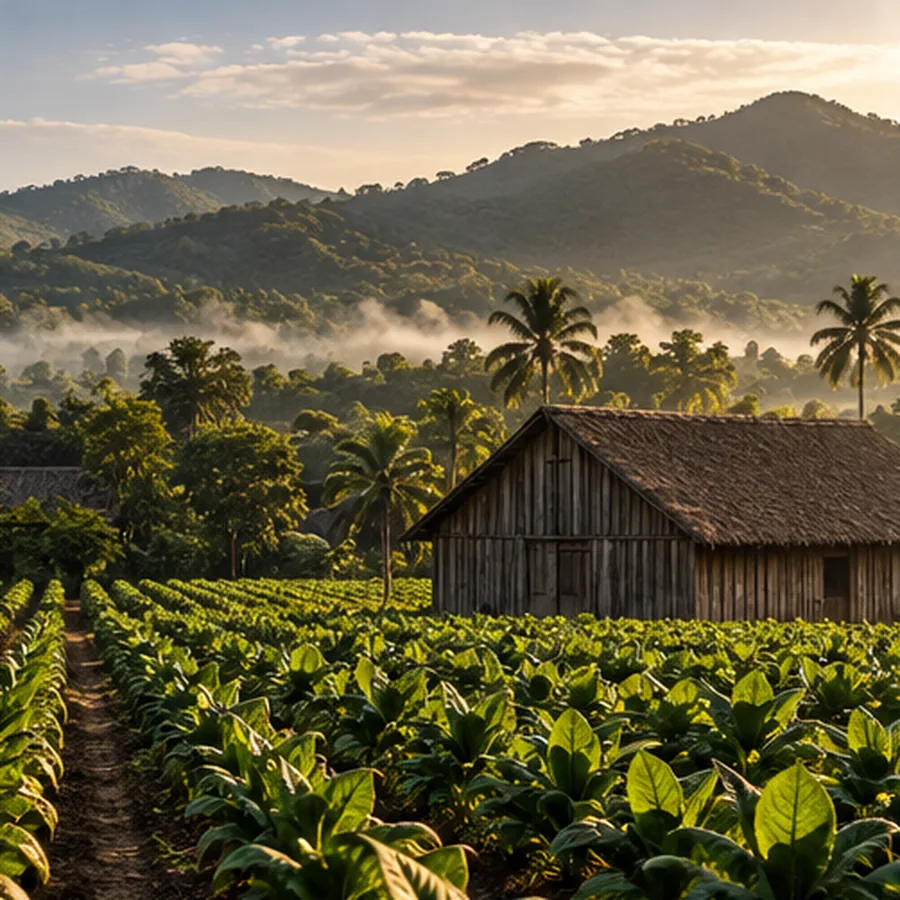
A crop with regional histories
Tobacco is native to the Americas. Its cultivation and use long predate European colonization, and different Indigenous communities developed distinct relationships with the plant. After European contact, tobacco entered trade networks that moved seed, labor, finished goods and ideas across the Atlantic.
Fields are not interchangeable
Climate, rain patterns, topography, soil characteristics and local agricultural practices affect growing conditions. Cuba, the Dominican Republic, Nicaragua and Honduras appear frequently in historical accounts of cigar production. In the United States, the Connecticut River Valley also has a documented history of growing broadleaf and shade tobacco.
A fuller map includes people
An origin story that names only places leaves out farmworkers, migration, unequal labor systems and changes in trade policy. Museums, oral histories and agricultural archives can reveal details that are absent from modern product labels.
This article documents cultural and manufacturing history. It does not recommend tobacco products or encourage smoking. Tobacco products are addictive and harmful to health.
CDC tobacco information ↗